
Basil seeds and chia seeds are often compared by people who are paying closer attention to portion control, fiber intake, and overall dietary balance. Both seeds absorb liquid when soaked and are commonly included in drinks or meals to add texture and fiber.
While they are sometimes discussed in the context of weight management, basil seeds and chia seeds work in different ways. Differences in fiber content, soaking behavior, and typical usage can influence how full someone feels after consuming them.
This comparison looks at basil seeds and chia seeds from a nutritional and usage perspective, focusing on how they are commonly included in diets. The information shared here is general and educational, intended to help readers understand differences between the two rather than provide weight management or medical advice.
Medical Disclaimer
The information provided on this website is for educational and informational purposes only and is not intended as medical advice. It does not replace professional medical consultation, diagnosis, or treatment. Always seek the advice of a qualified healthcare professional before making any changes to your diet, health routine, or lifestyle.
Understanding the Basics
What Are Chia Seeds?
Chia seeds are tiny black or white seeds derived from the Salvia hispanica plant, native to Central America. They’re well-known for their high omega-3 fatty acids, fiber, protein, and antioxidant content. When soaked in water, chia seeds form a gel-like coating that aids digestion and prolongs feelings of fullness.
What Are Basil Seeds?
Also known as sabja or tukmaria seeds, basil seeds come from the Ocimum basilicum plant. Like chia, they swell and form a gel when soaked in water. Basil seeds are commonly used in beverages and desserts, particularly in warm climates, where they are valued for their quick soaking and gel-forming properties.
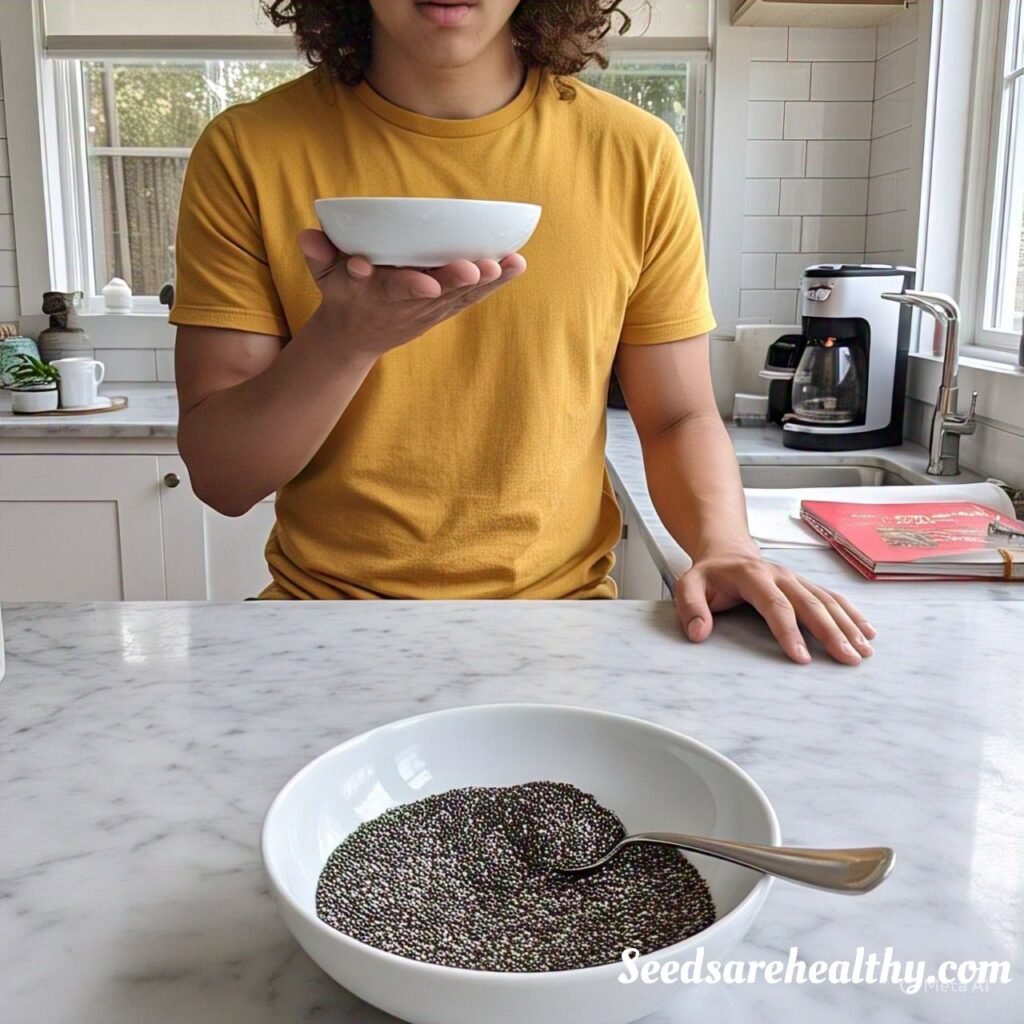
Nutritional Comparison : Basil Seeds Vs Chia Seeds
Here’s a breakdown of the nutrients in one tablespoon (13g) of each seed:
| Nutrient | Chia Seeds | Basil Seeds |
|---|---|---|
| Calories | ~58 | ~60 |
| Fiber | ~5.1g | ~7g |
| Protein | ~2g | ~2g |
| Omega-3 Fatty Acids | ~4,900mg | Negligible |
| Calcium | ~76mg | ~50mg |
| Iron | ~1mg | ~2mg |
| Magnesium | ~40mg | ~30mg |
| Antioxidants | High | Moderate |
This comparison highlights differences in fiber content and nutrient composition without suggesting one option as superior.
Chia Seeds: Fiber Content and Feeling of Fullness
High in Fiber
Chia seeds contain soluble fiber, which slows digestion and and may contribute to a feeling of fullness when included in balanced meals. This prevents unnecessary snacking and overeating.Hydrophilic Nature
When soaked, chia seeds can absorb water, creating a bulky gel that fills up the stomach.Protein Power
Chia seeds provide small amounts of plant based protein that contribute to their overall nutritional profile.
Basil Seeds: Fiber Content and Feeling of Fullness
High in Fiber
Basil seeds contain soluble fiber and expand quickly when soaked, which may influence how filling a beverage feels.Fast Swelling
Basil seeds swell within minutes, which makes them convenient to prepare for drinks and desserts.Low in Calories
Despite their size and swelling capacity, basil seeds are low in calories — ideal for low-calorie diets.
Differences in Dietary Use
Basil seeds and chia seeds are used differently based on preparation and preference. Basil seeds are typically added to beverages due to their rapid swelling, while chia seeds are used in both solid foods and liquids.
How filling these seeds feel can vary depending on portion size, hydration, and individual digestion. Neither seed guarantees specific outcomes, but both are commonly included in fiber focused dietary patterns.
How to Use Them
Preparation methods vary based on individual tolerance and preference. The quantities mentioned below are general usage examples and may vary based on individual preference.
Chia Seeds:
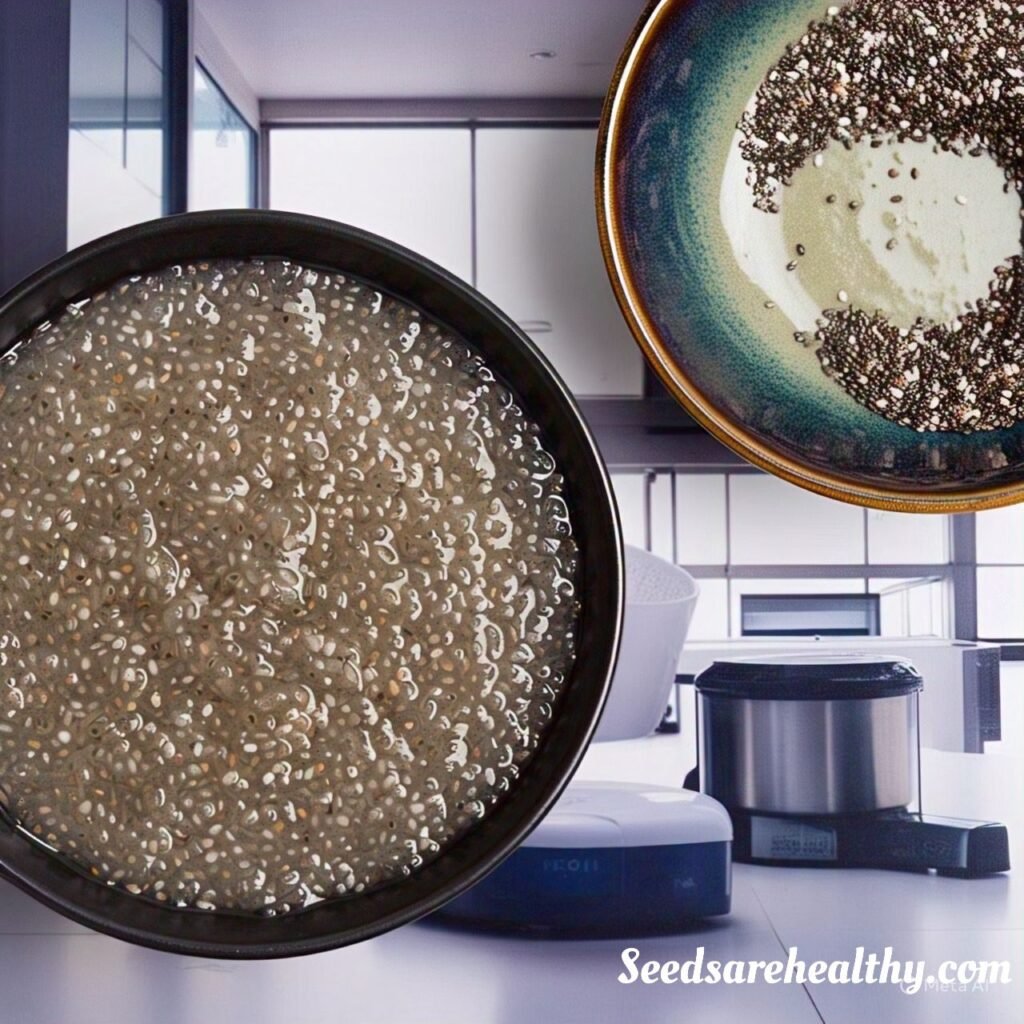
Soak 1–2 tablespoons in water or milk for at least 30 minutes before consuming.
Add to smoothies, oatmeal, yogurt, or chia pudding.
Basil Seeds:
Soak 1 teaspoon in warm water for 5–10 minutes.
Add to lemonade, coconut water, or low-sugar drinks.
Tip: Don’t eat either seed dry — they can cause choking or bloating if not fully expanded in water.
Precautions and Side Effects
Digestive issues: Too much fiber too fast can cause bloating, gas, or cramping.
Choking hazard: Always soak seeds properly before consuming.
Medication interaction: High fiber may affect how some medications are absorbed. Consult your doctor if unsure.
Allergies: Rare but possible, especially with chia seeds.
FAQs: Basil Seeds vs Chia Seeds
Can basil seeds and chia seeds be consumed together?
Yes, basil seeds and chia seeds can be used together in small amounts. Some people combine them in drinks or recipes to balance texture and fiber intake. Tolerance can vary, so it is generally recommended to start with small portions.
Which seed feels more filling after consumption?
Both basil seeds and chia seeds absorb liquid and can contribute to a feeling of fullness. Basil seeds swell quickly in liquids, while chia seeds form a thicker gel over time. How filling they feel depends on portion size, preparation, and individual digestion.
Are basil seeds easier to digest than chia seeds?
Some people find basil seeds easier to digest because they swell faster and have a softer outer layer when soaked. Chia seeds form a denser gel, which may feel heavier for certain individuals. Digestive comfort varies from person to person.
Do basil seeds and chia seeds need to be soaked before eating?
Yes, both basil seeds and chia seeds should be soaked before consumption. Soaking allows them to expand fully and improves texture, making them easier to consume and reducing the risk of discomfort.
Are basil seeds and chia seeds safe for daily use?
Basil seeds and chia seeds are generally considered safe when consumed in moderation as part of a balanced diet. Because they are high in fiber and absorb liquid, consuming excessive amounts without adequate hydration may cause digestive discomfort.
Final Thoughts
Both basil seeds and chia seeds differ mainly in how they are prepared, how quickly they swell, and how they are commonly used in everyday diets. Basil seeds and chia seeds differ mainly in how they are prepared and used rather than in delivering specific outcomes. Both are commonly included in fiber focused meals and drinks, but their effects can vary depending on individual tolerance and overall diet. Sustainable dietary changes are best achieved through balanced meals and consistent habits rather than relying on any single food.