
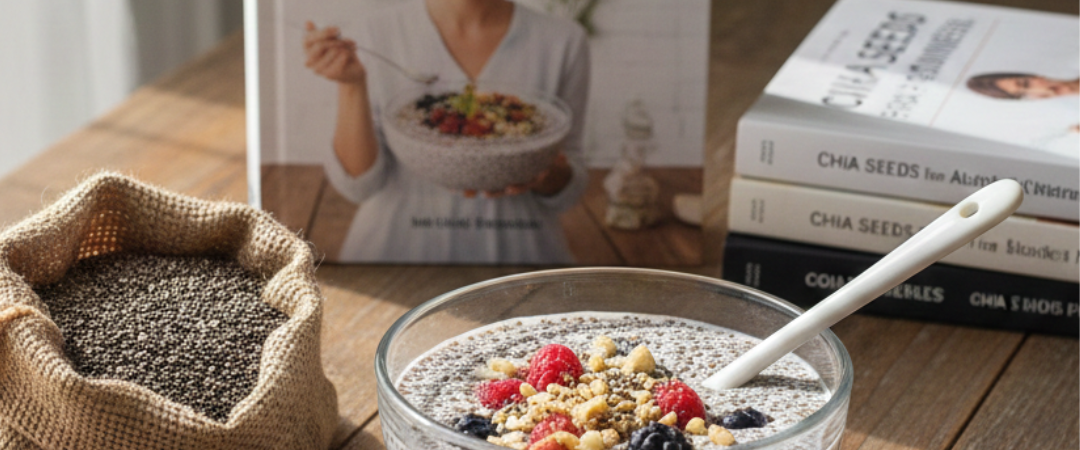
Chia seeds have become a popular addition to everyday diets because of their fiber content and versatility. For beginners, however, knowing how to start with chia seeds gradually and safely is important. Their ability to absorb liquid and expand means they behave differently from many other foods, especially for people who are not used to high-fiber ingredients.
This guide is designed for beginners who want to understand how to introduce chia seeds into their daily meals in a simple, cautious, and informed way. The information shared here is educational and focuses on common usage practices rather than health claims or medical advice.
Medical Disclaimer
The information provided on this website is for educational and informational purposes only and is not intended as medical advice. It does not replace professional medical consultation, diagnosis, or treatment. Always seek the advice of a qualified healthcare professional before making any changes to your diet, health routine, or lifestyle.
What Are Chia Seeds?
Chia seeds are small black or white seeds that come from the Salvia hispanica plant. They are commonly used in meals and drinks because they can absorb liquid and develop a gel-like texture. This property makes them suitable for a wide range of foods, from beverages to soft-textured dishes.
Chia seeds are valued mainly for their fiber content and ease of use rather than for immediate effects. For beginners, understanding how they behave when mixed with liquids is key to using them comfortably.
Learning about the chia seeds nutritional profile can help beginners set realistic expectations when adding them to meals.
Why Beginners Should Start Slowly
Chia seeds are high in dietary fiber, which can be beneficial when introduced gradually. For people who are new to fiber-rich foods, consuming too much too quickly may feel uncomfortable.
Starting slowly allows the body time to adjust and helps beginners understand how chia seeds fit into their individual digestion patterns. A gradual approach also makes it easier to identify the preparation style that feels most comfortable.
Starting with small portions helps reduce the chances of digestive discomfort with chia seeds, especially for those new to fiber-rich foods.
How Much Chia Seeds Should Beginners Use?
For beginners, small amounts are usually recommended.
A gentle starting point:
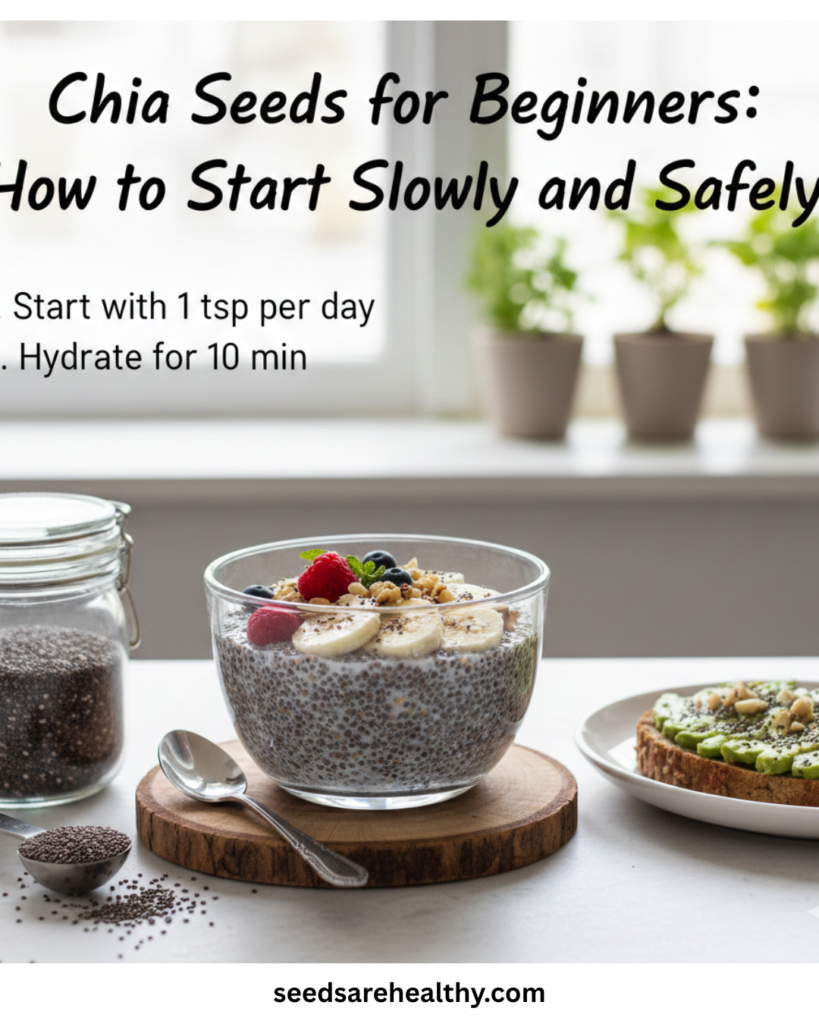
1 teaspoon per day
After a few days, if well tolerated:
Increase to 1 tablespoon per day
Many people choose not to exceed 1–2 tablespoons per day as part of their regular meals. Portion size can vary depending on personal preference, hydration, and overall diet.
Soaking Chia Seeds: A Beginner-Friendly Approach
One of the easiest ways for beginners to consume chia seeds is by soaking them before use.
Basic soaking method
Add 1 teaspoon to 1 tablespoon of chia seeds to a glass of water or milk
Let the mixture sit for 15–30 minutes
Stir before consuming
Soaking allows the seeds to absorb liquid before consumption, creating a soft, gel-like texture that many beginners find easier to consume.
Beginners often benefit from understanding the difference between soaked versus dry chia seeds when choosing preparation methods.
Easy Ways to Add Chia Seeds to Meals
Beginners often prefer simple preparation methods that do not require major recipe changes.
Common beginner-friendly options include:
Mixing soaked chia seeds into smoothies
Adding them to yogurt or oatmeal
Using them in overnight oats
Stirring soaked chia seeds into puddings or soft foods
Dry chia seeds can also be sprinkled onto foods like cereal or salads, but beginners are generally advised to ensure adequate fluid intake when doing so.
Hydration Matters When Eating Chia Seeds
Because chia seeds absorb liquid, hydration plays an important role when including them in meals. Drinking enough water throughout the day helps support digestion and overall comfort, especially for beginners.
If chia seeds are consumed dry, pairing them with moist foods or beverages can help reduce the chance of discomfort.
Common Beginner Mistakes to Avoid
When starting with chia seeds, beginners may experience discomfort if they make a few common mistakes.
Things to avoid:
Eating large amounts on the first day
Consuming dry chia seeds without enough liquid
Skipping hydration
Adding chia seeds to every meal at once
A slow and steady approach usually works best.
Who Should Be Extra Cautious?
Some individuals may want to be more cautious when adding chia seeds to their diet, including:
People who are not used to high-fiber foods
Those with sensitive digestion
Children and older adults
Anyone with existing health conditions should consult a healthcare professional before making significant dietary changes.
Frequently Asked Questions
Do beginners need to soak chia seeds before eating?
Soaking is not mandatory, but many beginners find soaked chia seeds easier to consume, especially in drinks and soft foods.
Can beginners eat chia seeds every day?
Many people include chia seeds daily in small amounts. Moderation and hydration are important.
Are chia seeds safe for first-time users?
Chia seeds are generally considered safe when consumed in small quantities and introduced gradually.
What is the best time of day to eat chia seeds?
There is no fixed best time. Beginners often prefer having them with breakfast or as part of a daytime meal.
Final Thoughts
For beginners, chia seeds can be a simple addition to everyday meals when introduced slowly and mindfully. Starting with small portions, choosing easy preparation methods, and staying hydrated can make the experience more comfortable.
Rather than focusing on outcomes, beginners are encouraged to pay attention to how chia seeds fit into their own eating habits. With moderation and consistency, chia seeds can be included as part of a balanced and varied diet.