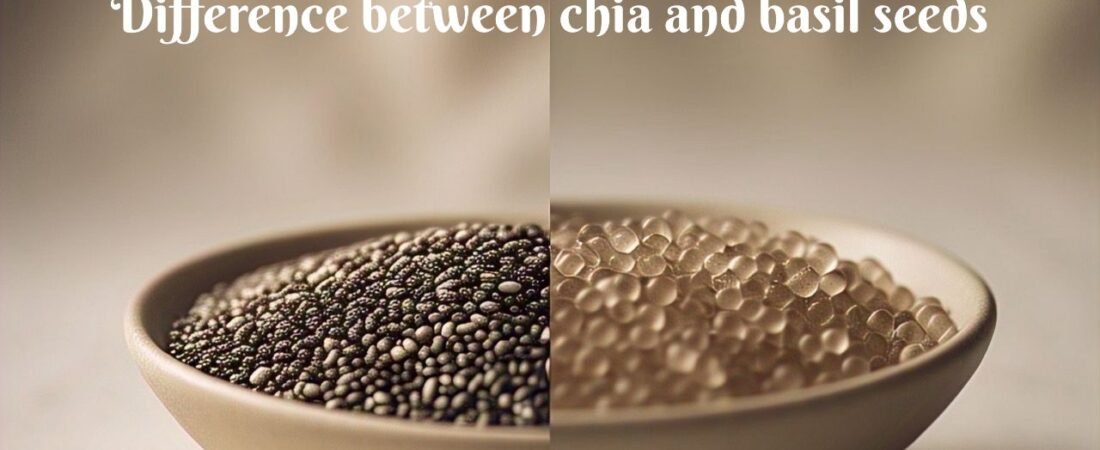
Chia seeds and basil seeds are both commonly included in everyday diets, especially in drinks, puddings, and traditional recipes. While they may look similar after soaking, they differ in their nutritional composition, digestion behavior, and typical uses.
People often compare chia seeds and basil seeds when choosing foods for digestion, hydration, or general dietary balance. However, the better option depends on factors such as portion size, preparation method, and individual dietary goals.
This comparison explains the key differences between chia seeds and basil seeds, including nutrition, digestion, and common uses. The information shared here is general and educational, helping readers understand how each seed is typically consumed rather than offering medical or dietary advice.
Medical Disclaimer
The information provided on this website is for educational and informational purposes only and is not intended as medical advice. It does not replace professional medical consultation, diagnosis, or treatment. Always seek the advice of a qualified healthcare professional before making any changes to your diet, health routine, or lifestyle.
Origin and Appearance
Chia Seeds:
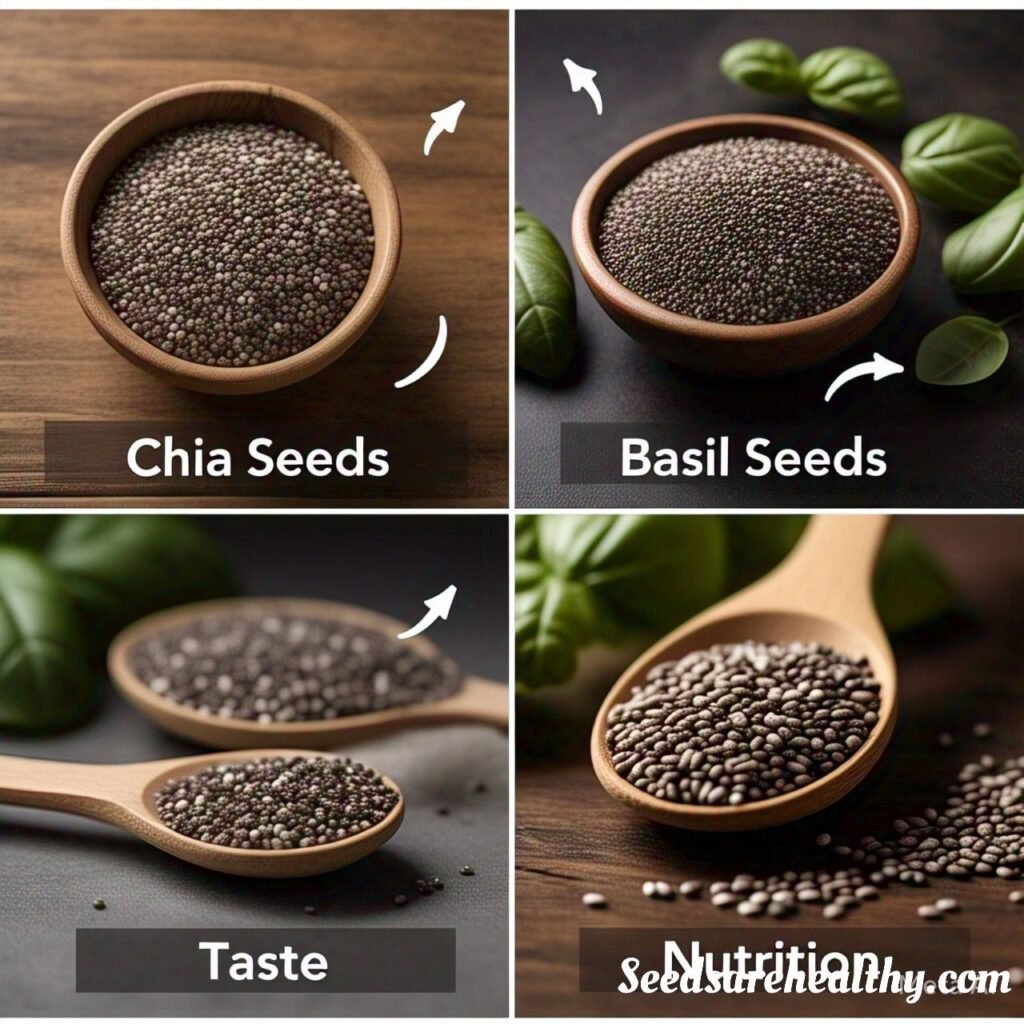
Chia seeds are harvested from the Salvia hispanica plant, native to Mexico and Guatemala. They are small, oval-shaped, and usually come in black or white. With a slightly crunchy texture when eaten dry and a gelatinous consistency when soaked, chia seeds are known for their ability to absorb liquid when soaked.
Basil Seeds:
Basil seeds, also known as sabja or tukmaria seeds, come from sweet basil (Ocimum basilicum). They are larger and darker than chia seeds and develop a slimy, gel-like coating when soaked in water. This texture is similar to that of chia seeds, but basil seeds tend to have a more pronounced mucilaginous quality

Nutritional Profile and Common Uses
Both chia seeds and basil seeds are valued for their nutrient content, but they differ in how those nutrients are distributed and how the seeds are commonly used in everyday diets. Understanding these differences can help readers decide which seed may better suit their personal preferences and dietary habits.
Chia Seeds
Chia seeds are known for their high fiber content and balanced nutrient profile. They provide a combination of soluble and insoluble fiber, along with plant based protein and naturally occurring fats.
Chia seeds are particularly noted for:
-
High fiber content, which contributes to fullness and digestive regularity when consumed with adequate fluids
-
Naturally occurring omega-3 fatty acids, often included in diets focused on overall nutritional balance
-
Minerals such as calcium, magnesium, and phosphorus
-
Antioxidant compounds commonly found in plant based foods
Because of their neutral taste, chia seeds are frequently added to smoothies, yogurt, oatmeal, puddings, and baked foods.
Basil Seeds (Sabja Seeds)
Basil seeds, also known as sabja or tukmaria seeds, are commonly used in beverages and desserts, especially in warmer climates. Like chia seeds, they absorb liquid and form a gel when soaked, but they tend to swell more quickly.
Basil seeds are commonly associated with:
-
High fiber content, which may support digestion when included as part of a balanced diet
-
Hydration focused uses due to their rapid gel formation in liquids
-
Naturally occurring minerals such as iron, magnesium, and calcium, in varying amounts
-
Traditional culinary use in cooling drinks and desserts
Basil seeds have a very mild taste and are most often used in drinks, falooda, and sweet preparations rather than solid foods.
Key Nutritional Differences at a Glance
While both seeds are fiber rich and absorb water when soaked, their nutritional focus differs:
-
Chia seeds are more commonly chosen for their omega-3 content and versatility across meals
-
Basil seeds are often preferred for beverages and quick soaking applications
-
Chia seeds are used across both solid and liquid recipes, while basil seeds are primarily used in liquids
These differences make each seed suitable for different dietary preferences and preparation styles.
Important Note on Nutrition
Nutritional needs and digestive responses can vary from person to person. Portion size, preparation method, and overall diet play an important role in how these seeds are tolerated and used.
This information is shared for general awareness and should not be considered medical or dietary advice.
Chia Seeds vs Basil Seeds: Nutritional & Health Comparison
| Feature | Chia Seeds | Basil Seeds |
|---|---|---|
| Appearance | Small, oval, black or white | Tiny, round, black |
| Nutritional Value (per 100g) | ||
| Calories | ~486 kcal | ~230 kcal |
| Protein | 16.5g | 14.8g |
| Fiber | 34.4g | 37.5g |
| Omega-3 Fatty Acids | High (17.83g) | Low |
| Calcium | 631mg | 442mg |
| Iron | 7.72mg | 3.27mg |
| Magnesium | 335mg | 31.55mg |
| Antioxidants | High | Moderate |
| Water Absorption | Forms gel-like texture when soaked | Expands quickly, forming a thicker gel |
| Taste | Mild, nutty flavor | Tasteless |
| Best Used In | Smoothies, puddings, salads, baked goods | Drinks, falooda, desserts |
| Weight Loss Benefits | High fiber keeps you full longer | Swells up quickly, curbing appetite |
| Digestive Health | Aids digestion, prevents constipation | Helps in digestion, relieves bloating |
| Bone Health | Rich in calcium and magnesium | Good for bones but lower in minerals than chia |
| Energy Boost | Provides sustained energy due to fiber and protein | Helps in hydration and quick energy boost |
| Best Suited For | Those needing omega-3s, long-lasting energy, and stronger bones | Those looking for quick digestion aid, hydration, and appetite control |
Both chia seeds and basil seeds offer incredible health benefits, but their uses and nutritional profiles vary. Chia seeds are commonly used for sustained energy, omega-3s, and bone health, while basil seeds are tpically chosen for quick digestion aid and hydration. The choice depends on your dietary goals!

Culinary Uses
Chia Seeds:
Chia seeds’ mild, nutty flavor makes them incredibly versatile. They can be:
Mixed into smoothies for extra nutrition.
Added to puddings, oatmeal, or yogurt for a boost of fiber.
Used as a thickening agent in recipes or as an egg substitute in vegan baking
Differences in digestion can also depend on chia seed preparation methods, such as soaking or consuming them dry.
Basil Seeds:
Basil seeds are popular in beverages and desserts, particularly in Southeast Asia and India. They can be:
Added to drinks like falooda—a traditional Indian dessert beverage.
Mixed into fruit juices or iced teas to create a unique texture.
Used in puddings and other recipes where their cooling, gelatinous consistency is appreciated.
Chia Seeds
✅ Rich in Omega-3 Fatty Acids – Commonly used for brain and heart health.
✅ High in Fiber – Aids digestion and keeps you full longer.
✅ Protein Source – Beneficial for muscle growth and repair.
✅ Packed with Antioxidants – Helps fight inflammation.
✅ Hydrating Properties – Absorbs water and forms a gel-like texture.
✅ Versatile in Recipes – Can be added to smoothies, puddings, and salads
Basil Seeds (Sabja Seeds)
✅ Cooling Effect – Helps lower body heat, typically chosen for summer.
✅ Rich in Fiber – Aids digestion and prevents constipation.
✅ Low in Calories – Good for weight loss diets.
✅ Good for Skin & Hair – Contains iron, protein, and antioxidants.
✅ Natural Detoxifier – Helps cleanse the body.
✅ Fast-Absorbing – Swells up quickly in water compared to chia seeds.
Key Differences
-
Omega-3 Content: Chia seeds have more omega-3s, making them better for brain and heart health.
-
Absorption Rate: Basil seeds swell faster in water, while chia seeds take more time.
-
Cooling Properties: Basil seeds are often used for cooling down the body.
-
Texture: Both form a gel-like consistency, but basil seeds are slightly crunchier.
Frequently Asked Questions (FAQs)
Are chia seeds and basil seeds interchangeable in recipes?
Chia seeds and basil seeds behave differently when soaked and are not always interchangeable. Chia seeds have a mild, nutty flavor and are commonly used in puddings, smoothies, and solid foods. Basil seeds are typically used in beverages and desserts, as they swell quickly and have a more pronounced gel texture.
Which seed may be more suitable for weight management?
Both chia seeds and basil seeds contain fiber, which can contribute to a feeling of fullness when included as part of a balanced diet. Chia seeds are often chosen for their versatility and nutrient profile, while basil seeds are commonly used in drinks. Suitability depends on portion size, preparation, and overall dietary habits.
Do basil seeds offer different benefits compared to chia seeds?
Basil seeds are traditionally used in cooling beverages and are valued for their quick soaking ability. Chia seeds are more commonly included across meals and recipes due to their neutral taste and broader culinary use. Each seed serves different dietary preferences.
How should chia seeds and basil seeds be prepared before consumption?
Both seeds should be soaked in liquid before consumption. Chia seeds typically require soaking for 10–15 minutes, while basil seeds usually expand within 5–10 minutes. Proper soaking helps improve texture and makes them easier to consume.
Are there any side effects to be aware of when consuming these seeds?
Both chia seeds and basil seeds are generally well tolerated when consumed in moderation. Because they are high in fiber and absorb liquid, consuming large amounts without adequate hydration may cause digestive discomfort for some individuals.
CONCLUSION
In summary, while chia and basil seeds share similarities in their ability to hydrate and boost fiber intake, they differ in taste, nutritional focus, and culinary use. By understanding these differences, you can choose the best seed for your dietary needs and enjoy a variety of delicious, nutrient-rich recipes.
Choosing between chia seeds and basil seeds often comes down to personal preference, preparation style, and how your body responds.
Recent Posts
- Chia Seeds for Weight Loss: Benefits, Calories, and How to Use Them
- Sunflower Seeds Nutrition: Calories, Benefits, Side Effects & How to Use Them
- How Long Do Chia Seeds Last? Complete Shelf Life Guide (Pantry, Fridge & Freezer)
- Can Chia Seeds Go Bad in the Fridge? Shelf Life, Signs, and Storage Tips
- Chia Seeds for Beginners: How to Start Slowly and Safely