

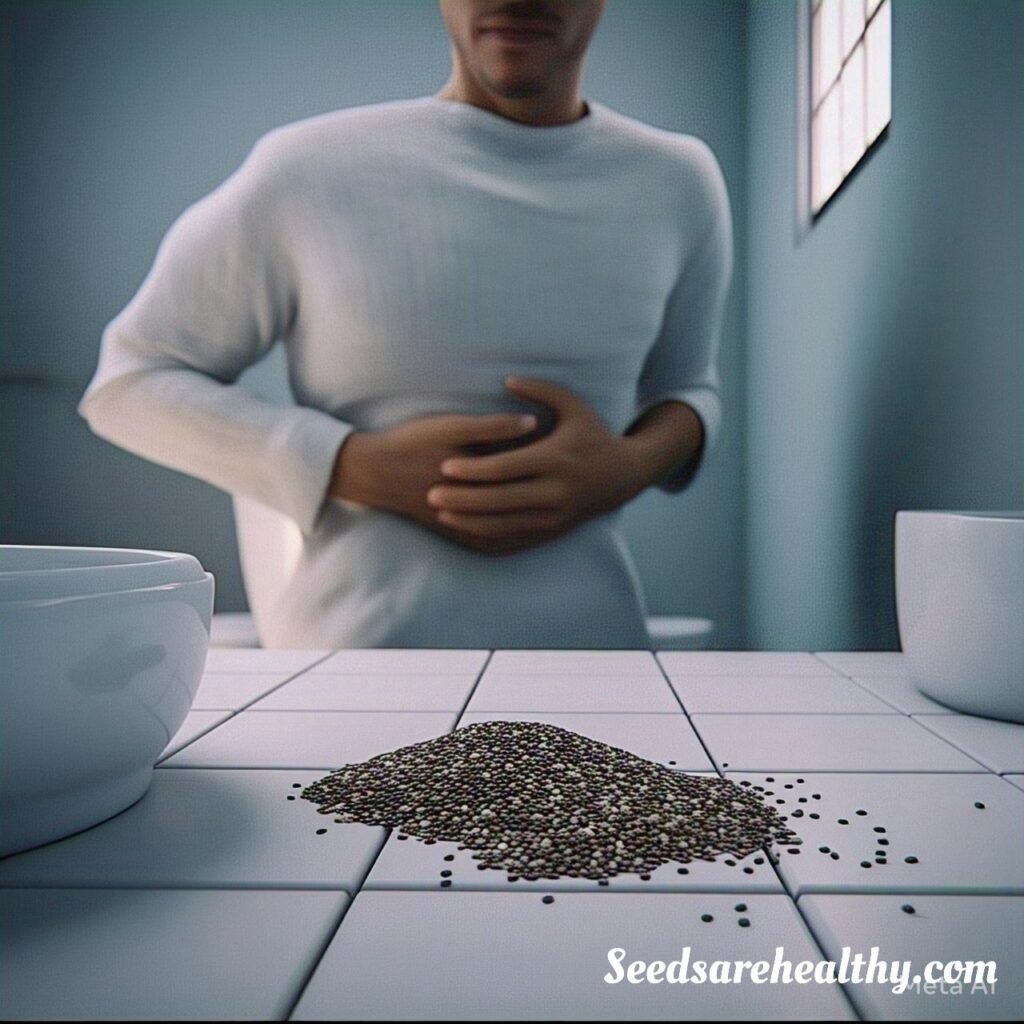
Chia seeds are widely known for their fiber and omega 3 content, but some people experience stomach pain, bloating, or gas after eating them. These digestive reactions are usually linked to portion size, hydration, or preparation method rather than the seeds themselves.
If you recently added chia seeds to your meals and noticed discomfort, this guide explains the common causes, typical symptoms, when to reduce intake, and practical steps to prevent stomach issues in the future.
Medical Disclaimer
The information provided on this website is for educational and informational purposes only and is not intended as medical advice. It does not replace professional medical consultation, diagnosis, or treatment. Always seek the advice of a qualified healthcare professional before making any changes to your diet, health routine, or lifestyle.
Are Chia Seeds Causing Your Stomach Issues? Here’s What You Need to Know
Chia seeds are widely included in everyday diets because of their fiber content and versatility. However, chia seeds are high in fiber, and some people may experience temporary digestive discomfort.
These reactions do not mean chia seeds are harmful. In most cases, digestive issues occur due to portion size, preparation method, or individual gut sensitivity. Because chia seeds absorb a large amount of liquid and are high in fiber, the way they are consumed plays a significant role in how the body responds.
This guide explains the most common reasons chia seeds may cause stomach discomfort, who may be more sensitive to them, and practical ways to consume them more comfortably. The information shared here is general and educational, helping readers understand how chia seeds interact with digestion rather than offering medical advice.

🧠 Quick Overview: What Are Chia Seeds?
Chia seeds are tiny black or white seeds from the Salvia hispanica plant, a member of the mint family. Despite their size, they are nutritional powerhouses, loaded with:
Soluble and insoluble fiber
Plant-based omega-3s
Calcium, magnesium, and phosphorus
Antioxidants
Because of their high fiber and water-absorbing capacity, chia seeds can absorb up to 12 times their weight in liquid, turning into a gel-like substance. This property is why they’re often used in puddings or as egg replacers in vegan baking.
How Chia Seeds Can Cause Digestive Discomfort
1. High Fiber Content
Chia seeds are about 35-40% fiber by weight, with just two tablespoons delivering around 10 grams of fiber—about one-third of the recommended daily intake.
While fiber is crucial for digestive health, too much too quickly can overwhelm the gut, especially if you’re not used to a high-fiber diet. This can lead to:
Bloating
Gas
Cramping
Constipation (ironically)
Consuming old or improperly stored seeds may increase discomfort. Learn more about how long chia seeds last and when to discard them.

2. Absorbing Water Inside the Digestive Tract
If you eat dry chia seeds without soaking them first, they can begin to swell and expand in your esophagus or stomach. This can lead to:
A sensation of fullness or pressure
Stomach discomfort
Potential choking hazard in extreme cases
This swelling property is great after the seeds are soaked but not inside your gut.
Preparation method matters, and understanding the difference between soaked versus dry chia seeds can help improve overall comfort.
3. Poor Digestion or Gut Sensitivity
People with conditions like IBS (Irritable Bowel Syndrome), Crohn’s disease, or sensitive stomachs may react more intensely to high-fiber foods. Even healthy foods like chia seeds can trigger symptoms.
4. The Role of Hydration in Preventing Discomfort
Chia seeds absorb up to 12 times their weight in liquid. Without adequate hydration, they can draw water from your digestive tract, leading to constipation or discomfort.
To reduce the risk:
• Drink water throughout the day
• Soak chia seeds for at least 15 to 30 minutes
• Avoid consuming dry seeds directly
• Pair chia seeds with yogurt, smoothies, or other moist foods
Proper hydration is one of the most effective ways to prevent bloating from chia seeds.

Common Symptoms After Eating Chia Seeds
If chia seeds are not tolerated well, you may notice:
- Bloating or abdominal swelling
- Gas or flatulence
- Mild stomach cramps
- Constipation
- Loose stools or diarrhea
- Feeling overly full quickly
- Pressure or heaviness in the stomach
Symptoms typically appear within a few hours but may vary depending on hydration, portion size, and individual digestion speed.
Chia Seeds and Irritable Bowel Syndrome (IBS)
Digestive responses to fiber rich foods can vary significantly from person to person.
For individuals managing Irritable Bowel Syndrome (IBS), navigating dietary choices can be particularly challenging. While chia seeds are celebrated for their high fiber content, their impact on IBS symptoms can vary greatly depending on the individual and their specific IBS triggers. The fiber in chia seeds, a mix of both soluble and insoluble types, can be a double-edged sword for sensitive digestive systems. Soluble fiber can be beneficial as it forms a gentle gel in the gut, potentially helping to regulate bowel movements and soothe an irritated colon. However, for some with IBS, particularly those prone to gas and bloating, the rapid fermentation of fiber in the gut can exacerbate symptoms. Insoluble fiber, while promoting bulk, might also be problematic for some.
If you have IBS, it is crucial to introduce chia seeds very slowly and in small amounts, always ensuring they are thoroughly soaked. Start with a tiny quantity, perhaps half a teaspoon a day, and gradually increase only if tolerated. Pay close attention to your body’s response, noting any increase in bloating, gas, abdominal pain, or changes in bowel habits. It’s often recommended to work with a healthcare professional or a registered dietitian who specializes in IBS to determine if and how chia seeds can be safely incorporated into your personalized diet plan.
Chia Seeds for Overall Digestion
Chia seeds are widely lauded for their positive impact on overall digestive health, primarily due to their exceptional fiber content. As mentioned, they contain both soluble and insoluble fiber, which work synergistically to promote a healthy gut. The soluble fiber forms a gel-like substance when hydrated, which can help to slow down digestion, promoting a feeling of fullness and aiding in the absorption of nutrients. This gel also acts as a gentle bulk-forming agent, which can be particularly beneficial for those prone to diarrhea, helping to solidify stool.
Conversely, the insoluble fiber in chia seeds adds significant bulk to the stool, facilitating its passage through the digestive tract. This can be highly effective in preventing and alleviating constipation, promoting regular and healthy bowel movements. Furthermore, the soluble fiber acts as a prebiotic, feeding the beneficial bacteria in your gut microbiome. A thriving gut microbiome is essential for overall digestive health, immune function, and even mood regulation. When consumed correctly—always soaked and with ample hydration—chia seeds can be a powerful natural aid for maintaining a smooth and efficient digestive system, contributing to a sense of lightness and well-being.
Chia Seeds and Gastritis
People with sensitive stomach conditions often need to be more cautious with high fiber foods.
Gastritis, an inflammation of the stomach lining, often requires careful attention to diet to avoid irritating the sensitive stomach. When considering chia seeds for gastritis, it’s important to approach with caution. While chia seeds are generally healthy, their high fiber content and gelling properties could potentially cause discomfort for an already inflamed stomach, especially if consumed in large quantities or without proper preparation. Because chia seeds absorb liquid and expand, they may feel heavy for people with sensitive stomachs.
If you have gastritis, it is highly recommended to consult with your doctor or a registered dietitian before incorporating chia seeds into your diet. If introduced, start with very small amounts (e.g., half a teaspoon) of thoroughly soaked chia seeds, perhaps blended into a smoothie or pudding to ensure maximum hydration and a smoother texture. Monitor your symptoms closely, and if any discomfort arises, discontinue use. The goal is to support healing and avoid any further irritation to the delicate stomach lining.
When Should You Reduce or Pause Chia Seed Intake?
Consider reducing or pausing chia seeds if:
• Symptoms persist for more than a few days
• You recently increased portion size quickly
• You consume them dry without soaking
• You are not drinking enough water
• You have IBS, gastritis, or other digestive conditions
Start with 1 teaspoon per day and increase gradually only if comfortable. If symptoms continue, consult a healthcare professional. If you are new to chia seeds, follow this step-by-step guide on how to start eating chia seeds safely.
How to Prevent Stomach Issues When Eating Chia Seeds
1. Soak Them First
Always soak chia seeds for at least 15–30 minutes in liquid before eating. This allows them to expand fully outside your body and reduces the risk of clumping in your digestive tract.
Example soaking ratio:
1 tablespoon chia seeds + 1/2 cup liquid
2. Start Small
If you’re new to chia, begin with 1 teaspoon per day and gradually increase over a couple of weeks. Let your digestive system adapt.
3. Drink More Water
Drink sufficient water throughout the day when consuming chia seeds.
4. Avoid Dry Chia Seeds
Avoid consuming dry chia seeds directly. Always soak them in liquid before eating.
5. Blend or Bake Them
Blending chia seeds into smoothies or baking them into muffins can make them easier to digest for sensitive stomachs.

🍽 Who Should Be Cautious?
People with gut issues like IBS, Crohn’s, or ulcerative colitis
Individuals with low fluid intake
Those new to a high-fiber diet
Children and the elderly, who may have more sensitive digestion or difficulty swallowing
If you fall into any of these groups, it’s a good idea to talk to a doctor or dietitian before adding large amounts of chia seeds to your diet.
🧪 Are There Allergies to Chia Seeds?
Chia seed allergies are rare, but they do exist. Symptoms can include:
Nausea or vomiting
Abdominal pain
Skin rashes or itching
Swelling of the lips, tongue, or throat
Difficulty breathing
If you experience any of these after eating chia, seek medical attention and discontinue use immediately.
Optimal Storage Tips:
Proper storage is key to maintaining the freshness and nutritional quality of your chia seeds. They have a relatively long shelf life due to their antioxidant content, but they can still go rancid if not stored correctly.
Cool, Dry Place: Always store chia seeds in a cool, dark, and dry place, such as your pantry or a kitchen cabinet away from direct sunlight and heat.
Airtight Container: After opening, transfer them to an airtight container (like a glass jar or a sealed bag) to prevent moisture, air, and odors from affecting them. This also protects them from pests.
Refrigeration for Longevity: For even longer-term storage, especially in warmer climates or if buying in very large quantities, storing chia seeds in the refrigerator or freezer can help preserve their freshness and prevent the omega-3 fatty acids from oxidizing.
You can also learn more about how to store chia seeds properly to maintain freshness and reduce digestive issues.
🗣 Frequently Asked Questions (FAQ) : Stomach Issues With Chia Seeds
Q: Can chia seeds cause bloating?
A: Yes. Bloating can occur if chia seeds are consumed in large amounts, without soaking, or without enough water.
Q: How much chia seeds is safe per day?
A: Most people tolerate 1 to 2 tablespoons per day. Beginners should start with 1 teaspoon and increase gradually.
Q: Should I stop eating chia seeds if I feel bloated?
A: Reduce the portion size and increase hydration. If symptoms persist, pause intake and consult a healthcare professional.
Q: Are soaked chia seeds easier to digest?
A: Yes. Soaking helps them expand before consumption and may reduce digestive discomfort.
Q: Can chia seeds worsen IBS?
A: Some individuals with IBS may be sensitive to high fiber foods. Introduce slowly and monitor tolerance.
Conclusion
Chia seeds can be a great addition to a healthy diet, but it’s important to pay attention to how your body reacts. Stomach issues with chia seeds often come down to portion size, preparation, and hydration. Soaking them before eating, starting with small amounts, and drinking enough water can make a big difference. If discomfort continues, it might be worth adjusting your intake or consulting a healthcare professional. When used mindfully, chia seeds can support digestion rather than disrupt it.
Recent Posts
- Chia Seeds for Weight Loss: Benefits, Calories, and How to Use Them
- Sunflower Seeds Nutrition: Calories, Benefits, Side Effects & How to Use Them
- How Long Do Chia Seeds Last? Complete Shelf Life Guide (Pantry, Fridge & Freezer)
- Can Chia Seeds Go Bad in the Fridge? Shelf Life, Signs, and Storage Tips
- Chia Seeds for Beginners: How to Start Slowly and Safely